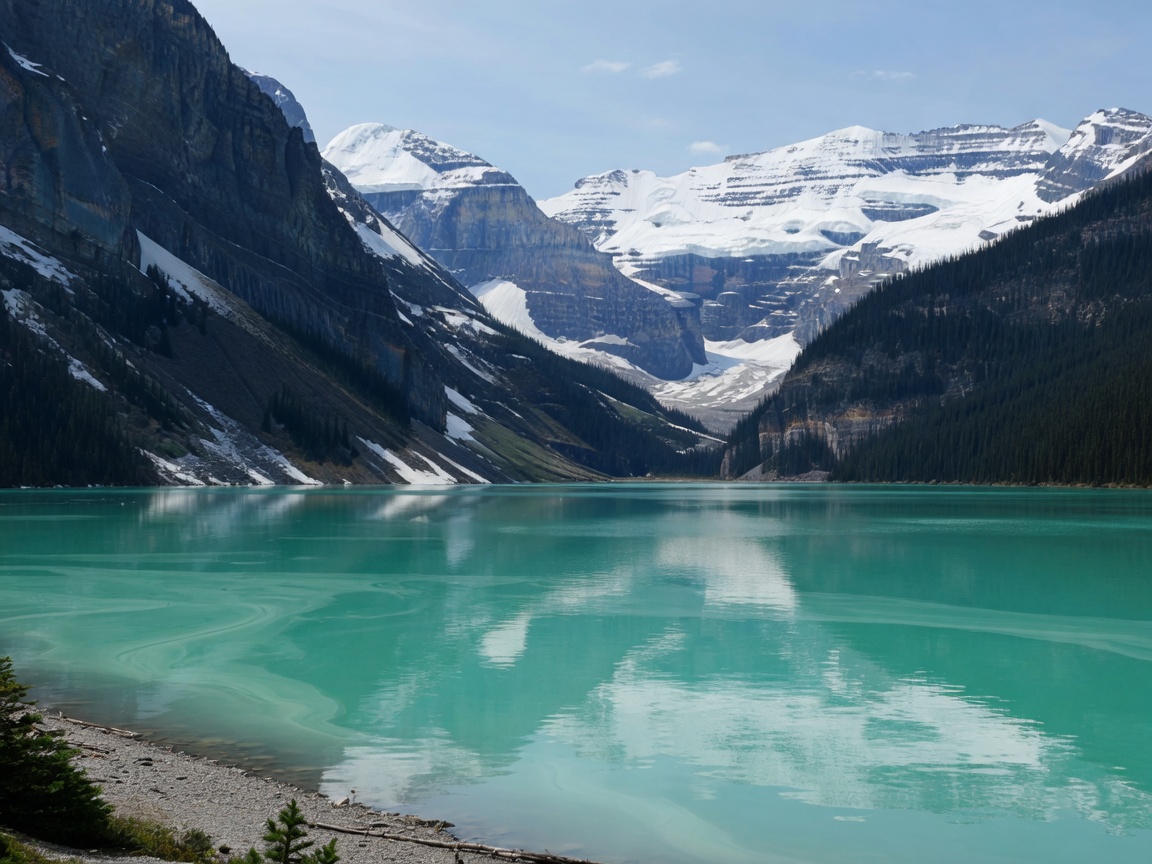
Banff National Park & Lake Louise
Established in 1885 as Canada’s inaugural protected wilderness, Banff National Park encompasses 6,641 square kilometers of glaciated alpine topography within the Continental Divide. World-renowned for the neon turquoise mineral waters of Lake Louise and Moraine Lake, the park is home to grizzly bears, elk herds, and soaring 3,000-meter limestone massifs.
| Country & Coordinates | Canada • 51.4968° N, 115.9281° W |
|---|---|
| Optimal Season Windows | Summer Hiking (July–Sept) • Ski Season (Dec–April) |
| Primary Topography | Glacial Cirques, Valley of the Ten Peaks, U-Shaped Glens |
| UNESCO Classification | Canadian Rocky Mountain Parks World Heritage (1984) |
| Roadway Access | Trans-Canada Highway 1 • Icefields Parkway (Hwy 93) |
| Shuttle Regulations | Mandatory Parks Canada Shuttles for Moraine Lake Access |
Field Logistics & Travel Authentication Standard
Key field recommendations formulated by Happyrostallyguid for exploring the Canadian Rockies:
1. Lake Moraine Shuttle Reservation System
Private personal vehicles are strictly barred from Moraine Lake Road. Travelers must reserve advance seats on official Parks Canada shuttles or Roam Transit from the Lake Louise Park & Ride.
2. Wildlife Etiquette & Bear Safety
Banff is prime habitat for grizzly and black bears. Hikers must carry EPA-approved bear spray in accessible holsters, hike in groups of four or more when posted, and maintain 100-meter minimum distances.
3. Lake Louise Teahouse Circuits
The Lake Agnes and Plain of Six Glaciers teahouse trails present exceptional day treks, terminating at historic stone-and-timber cabins operating without electricity since the early 1900s.